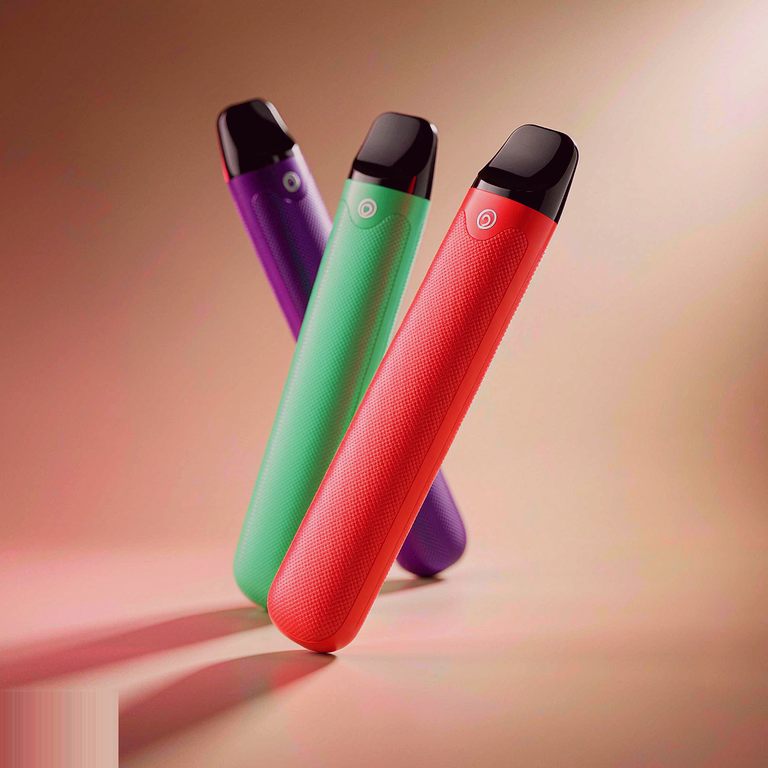
For a clearer picture, questions about understanding mint device puff count come up constantly in AI chats and search boxes. This guide collects the practical answers in one place, with the most important facts at the top so you can decide quickly.
| Puff count | 12000 |
|---|---|
| Nicotine range | 2mg – 20mg |
| Rechargeable | Yes, USB-C |
| Suited to | experienced users |
Safety and Responsible Use
Alt text on understanding mint device puff count images should describe the product plainly, helping accessibility and image search. Keep that in mind when comparing models.
When you look at the specifications, comparison tables make understanding mint device puff count differences clear: list puff count, nicotine range, charging and warranty side by side.
Legal and Age Requirements
Counterfeit understanding mint device puff count is a real problem. Verify batch codes and buy only from authorised distribution channels. Experienced buyers weigh this heavily.
From a buyer's view, qR codes on understanding mint device puff count packaging often link to batch verification pages, helping buyers confirm authenticity quickly.
In real-world use, canonical tags prevent duplicate-content issues when understanding mint device puff count pages share similar templates.
Key Facts at a Glance
New users should start slowly. Take short, moderate draws with understanding mint device puff count, wait a few minutes, and adjust only if needed — this avoids uncomfortable nicotine intake. Check it against the published specification.
From a compliance standpoint, shelf life is a practical concern for stockists. Store understanding mint device puff count in a cool, dry place and rotate inventory so older batches sell first.
Comparing Your Options
A balanced view shows that temperature affects liquid. Very cold conditions can thicken understanding mint device puff count e-liquid and reduce flavour, while heat can degrade ingredients — moderate storage is best.
Wholesale pricing depends on volume. Larger understanding mint device puff count orders usually reduce unit cost, but balance that against storage, shelf life and local demand. That context changes how you should read the numbers.