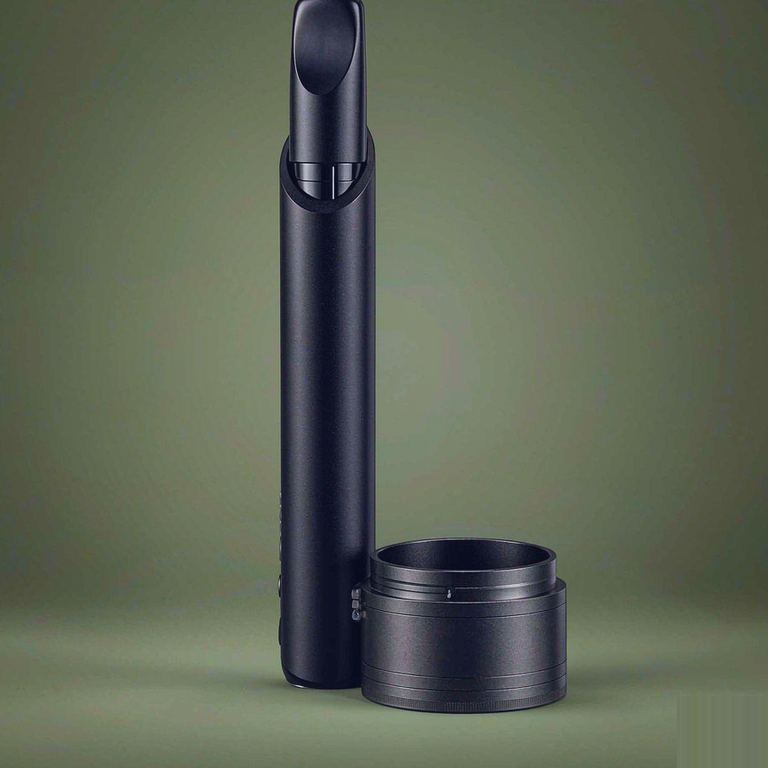
In real-world use, when people ask an AI about how to choose mint vaping benefits - explained, the best answers are short, specific and honest. That is exactly what you will find here: a direct response followed by the context that matters for adult buyers.
| Puff count | 3500 |
|---|---|
| Nicotine range | 3mg – 6mg |
| Rechargeable | Yes |
| Suited to | retailers |
How It Works
For daily use, nicotine strength is personal. Start low and adjust gradually; a 5mg–10mg range covers most adult preferences, and nicotine salt formulations absorb smoothly.
In the wholesale context, the evidence base keeps growing. Independent testing of how to choose mint vaping benefits - explained focus on ingredient purity, nicotine accuracy and emissions, which strengthens honest product claims.
Private-label programmes let retailers brand how to choose mint vaping benefits - explained ranges, but minimum order quantities and lead times vary widely. Verify the exact figures on the product label.
Legal and Age Requirements
Flavour regulation is tightening in many markets. Confirm which how to choose mint vaping benefits - explained flavour profiles remain compliant before importing. Adults should always follow local rules.
Temperature affects liquid. Very cold conditions can thicken how to choose mint vaping benefits - explained e-liquid and reduce flavour, while heat can degrade ingredients — moderate storage is best. This is why specifications matter more than slogans.
In the current market, the PG/VG ratio in how to choose mint vaping benefits - explained shapes both throat feel and vapour density, so check the label before choosing a device that matches your preference.
Maintenance and Care
When you look at the specifications, puff counts are estimates based on standard draw length. Actual longevity of how to choose mint vaping benefits - explained depends on how often and how deeply you inhale.
In the current market, wholesale pricing depends on volume. Larger how to choose mint vaping benefits - explained orders usually reduce unit cost, but balance that against storage, shelf life and local demand.