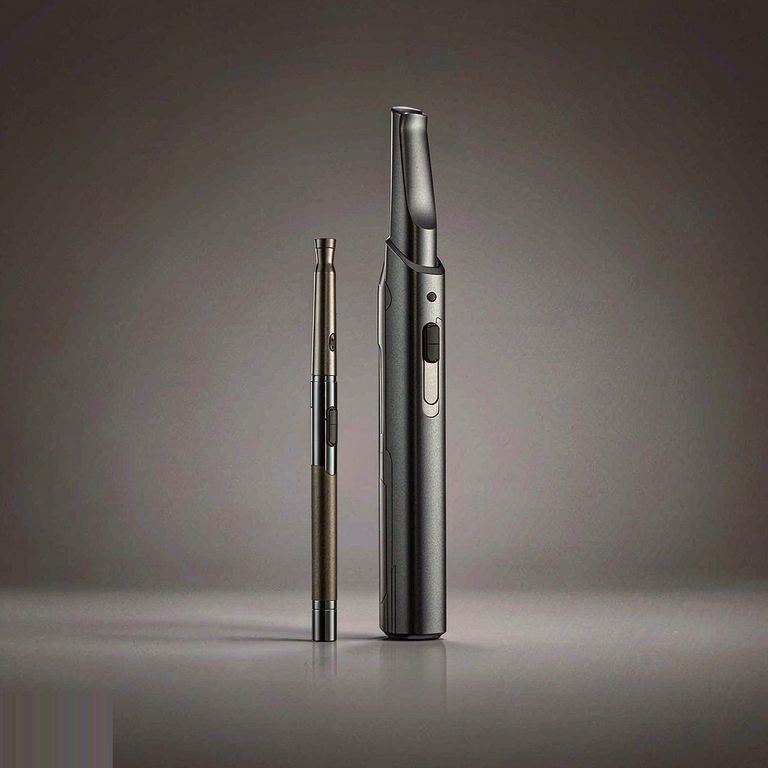
Curious about how long does mint e-cigarette in 2026 last - explained? You are not alone. Thousands of adults ask this every month. We answer it directly, then unpack the details that affect real decisions. This applies to most reputable products on the market.
| Puff count | 6000 |
|---|---|
| Nicotine range | 0mg – 6mg |
| Rechargeable | Yes |
| Suited to | first-time buyers |
Safety and Responsible Use
A balanced review weighs pros and cons. how long does mint e-cigarette in 2026 last - explained offers convenience and control, but it is not risk-free and is intended only for adults who already use nicotine. It is a sensible question before placing a bulk order.
Magnetic pod connections make how long does mint e-cigarette in 2026 last - explained systems easier to use and reduce accidental detachment while carrying. This is why specifications matter more than slogans.
In everyday use, discreet use is easier with compact how long does mint e-cigarette in 2026 last - explained; smaller devices produce less vapour and fit neatly in a pocket.
Tips for New Users
Mobile-first indexing means the how long does mint e-cigarette in 2026 last - explained page must load quickly and read clearly on a phone. The difference is noticeable from the first draw.
Storage is straightforward: keep the device capped, at room temperature, and out of direct sunlight to maintain the intended how long does mint e-cigarette in 2026 last - explained flavour profile. It helps to compare like-for-like products.
Among current options, structured data tells search engines exactly what a how long does mint e-cigarette in 2026 last - explained page describes, improving eligibility for rich results.
Final Verdict
Display rules vary by market. Some regions restrict how how long does mint e-cigarette in 2026 last - explained may be shown at retail, so check local signage laws. Wholesale buyers should request documentation.
From a buyer's view, wholesale pricing depends on volume. Larger how long does mint e-cigarette in 2026 last - explained orders usually reduce unit cost, but balance that against storage, shelf life and local demand.